Split ends are one of those hair problems that can make even freshly washed hair look tired. The ends start to feel rough, the shape becomes uneven, and styling suddenly takes more effort. Many people try oils, masks and serums hoping the ends will “heal”, but the truth is a little more practical: once the hair fibre has split, it cannot be permanently glued back together. The right care can make it look smoother, but trimming and prevention are still essential.
In 2026, haircare is moving towards long-term hair health rather than quick cosmetic fixes. People are choosing scalp care, bond-supporting treatments, gentle styling and personalised routines that match their hair history. If you are looking for split ends’ treatment, it helps to understand what causes split ends first, because prevention is where the real improvement begins.
What Are Split Ends?
Split ends happen when the protective outer layer of the hair becomes damaged and the strand begins to separate. You may notice classic Y-shaped splits, white dots, frayed tips or ends that feel dry and wiry. They usually appear at the oldest part of the hair because the ends have been through the most washing, brushing, heat, sunlight, friction and chemical services.
Common Causes of Split Ends
Heat styling is one of the biggest causes. Straighteners, curling irons and high-heat blow-drying can weaken the hair when used too often or without protection. Chemical services such as bleaching, colouring, perming, rebonding and smoothing can also make hair more fragile if the condition is not managed carefully. Even daily habits matter. Rough towel-drying, tight hairstyles, sleeping on high-friction pillowcases and brushing aggressively can all contribute to damaged ends over time.
Malaysia’s climate can add another challenge. Humidity may cause frizz and swelling, while sun exposure can leave hair drier and duller. If your hair is coloured or lightened, the ends may become more porous and lose moisture faster. This is why a routine that works in a cooler country may not always suit your hair here.
Can Split Ends Be Repaired?
Products can temporarily smooth the look and feel of split ends, but they cannot permanently restore a strand once it has split. Serums, masks and leave-in creams may help seal the surface for a while, making the hair look shinier and less frizzy. However, the only true way to remove split ends is to trim them. This does not mean you always need a major haircut. Often, a small dusting or tidy-up is enough to stop the damage from travelling further up the strand.
The Best Treatments That Actually Help
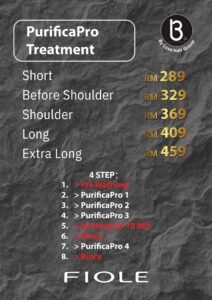
A professional trim is the most reliable first step. After that, treatments can help improve manageability and reduce future damage. Moisturising masks are useful for dry, rough hair. Strengthening or bond-supporting treatments may suit hair that has been bleached, coloured or chemically treated. Leave-in conditioner can reduce friction during the day, while heat protectant is essential if you style with hot tools.
For frizzy or porous hair, smoothing treatments may help the cuticle sit flatter, making the ends look neater and feel softer. Scalp treatments can also play a role because healthier hair growth begins at the roots. While scalp care will not fix existing split ends, it supports better hair quality over time.
How to Prevent Split Ends from Coming Back
Start by being gentler with wet hair. Use a soft towel or cotton T-shirt to squeeze out water instead of rubbing. Detangle from the ends upwards, and use a wide-tooth comb if your hair tangles easily. Lower the heat on your styling tools and avoid passing straighteners over the same section repeatedly. If you colour or bleach your hair, follow your stylist’s maintenance advice and avoid overlapping chemical services unnecessarily.
Regular trims make a big difference. Waiting until the ends are badly damaged usually means you need to cut more later. A small trim every six to ten weeks, depending on your hair condition, helps keep the shape fresh and the ends healthier. If you are growing your hair, trims may feel counterproductive, but they actually help the hair look fuller and neater as it grows.
What to Avoid
Avoid products that promise to permanently repair split ends without trimming. Be careful with excessive DIY treatments too, especially mixtures that are difficult to rinse or unsuitable for your scalp. More product does not always mean better care. Heavy oils can make hair look shiny for a day but may not address weakness or breakage. If your hair is already fragile, professional advice is safer than experimenting every week.
When to Visit a Salon
If your ends feel rough soon after trimming, your hair may need a different routine or a treatment plan. A stylist can check whether the damage is from heat, colour, chemical services, dryness or poor cutting. At Stay B Hair Salon, the SKS City Mall Hair Salon branch offers haircuts, treatments, scalp care, colouring, perms, rebonding and smoothing services, so your stylist can recommend the most suitable way to refresh your hair without causing unnecessary stress.
Final Thoughts
The most effective split ends treatment is a combination of trimming, prevention and the right aftercare. Products can make damaged ends look smoother, but healthy-looking hair comes from consistent habits: gentle drying, lower heat, regular trims, suitable treatments and protection from daily stress.
If your hair has been looking dull, frizzy or uneven at the ends, book a consultation with Stay B Hair Salon. A professional stylist can help you decide whether you need a light trim, repair treatment or a new routine that keeps your hair soft, strong and easier to manage in Malaysia’s weather.